

The Hidden Cost of Fines and Housing Code Violations
It started in the stairwell. Then the bathroom. Then the kitchen, the living room, the closet, the hallway, the entrance door, three different sleeping rooms. In 22 months, a single DC apartment was cited for failures in fifteen different parts of the unit. 96 violations from one address. That property makes the news. The conversations I have with property management leaders are about the buildings that won’t.
Every affordable housing portfolio has properties carrying more than their share. Usually older Class B/C stock, recently acquired assets, or buildings working through deferred capital plans. Operators know which ones they are. The team knows. The owner knows. These are the canaries in the coal mine: the buildings whose violation counts tell you something is wrong long before it shows up anywhere else.
What’s harder to see is what those canaries are actually costing the business beyond the fines.
Here’s the part most owners don’t talk about openly: those fines don’t even hit the P&L right away. The Office of Administrative Hearings (OAH) is backlogged. Cases sit. So, owners look at the line item, see a manageable accrual, and move on.
That’s the trap. The fines are the visible part, eventually. But the real cost is already bleeding out of the business, and it’s not on any financial statement.
For a 2,000-unit portfolio operating at the DC market average, using conservative and sourced assumptions, the math comes out like this:
- Direct fines: $97,812/year
- Administrative cost: $35,393/year (5 hours per violation at a loaded rate, plus follow-up on repeats)
- Reputation and turnover cost: $160,000/year (one bad review at a time, $4,000 per non-renewal per NAA)
- Opportunity cost: $35,393/year (leadership attention diverted from leasing & revenue work, your best people firefighting instead of leasing)
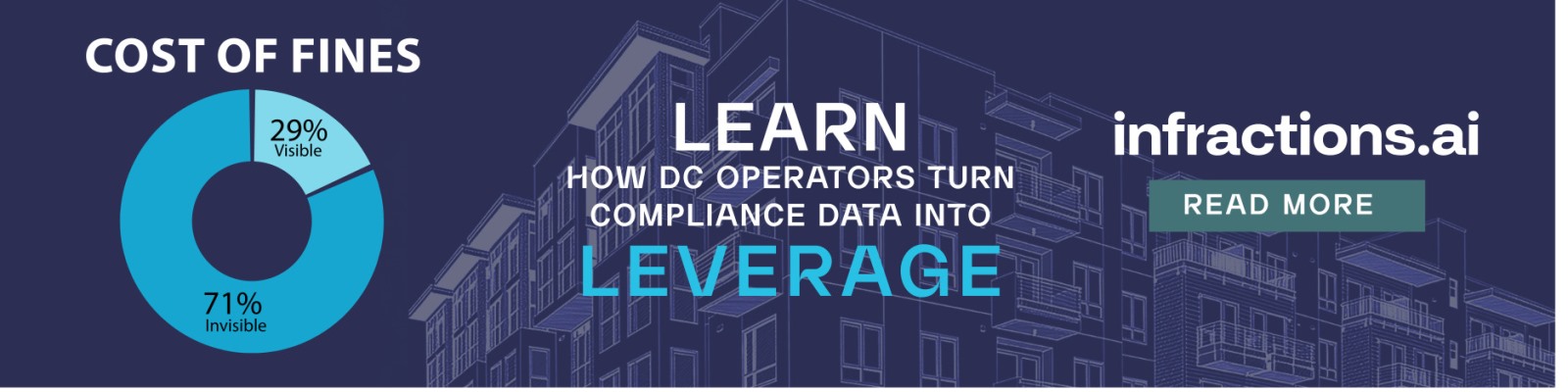
- Total: $328,597/year. Fines are 29% of it — and the only part that’s deferrable. The other 71% is bleeding out of the business in real time.
That’s the bill no one budgets for. OAH delays make compliance look like a slow-moving accrual problem. It’s not. The operational drag, the leasing damage, the leadership attention it consumes. Those costs hit this quarter, not three years from now when the fine finally adjudicates.
Housing code violations don’t break portfolios. Manual systems for tracking and managing them do. The operators who get this right in 2026 won’t see fewer notices of infraction. They’ll just stop paying the price for them in places no one’s measuring.
Learn how DC operators turn compliance data into leverage. Visit infractions.ai.